TL;DR: Pav bhaji is a Mumbai street-food classic: a thick, buttery, spiced mash of mixed vegetables (the bhaji) served with soft, griddle-toasted bread rolls (the pav). It is rich, comforting and built for sharing, and we serve it fresh as part of our Bombay street food menu in Leeds.
What Is Pav Bhaji?
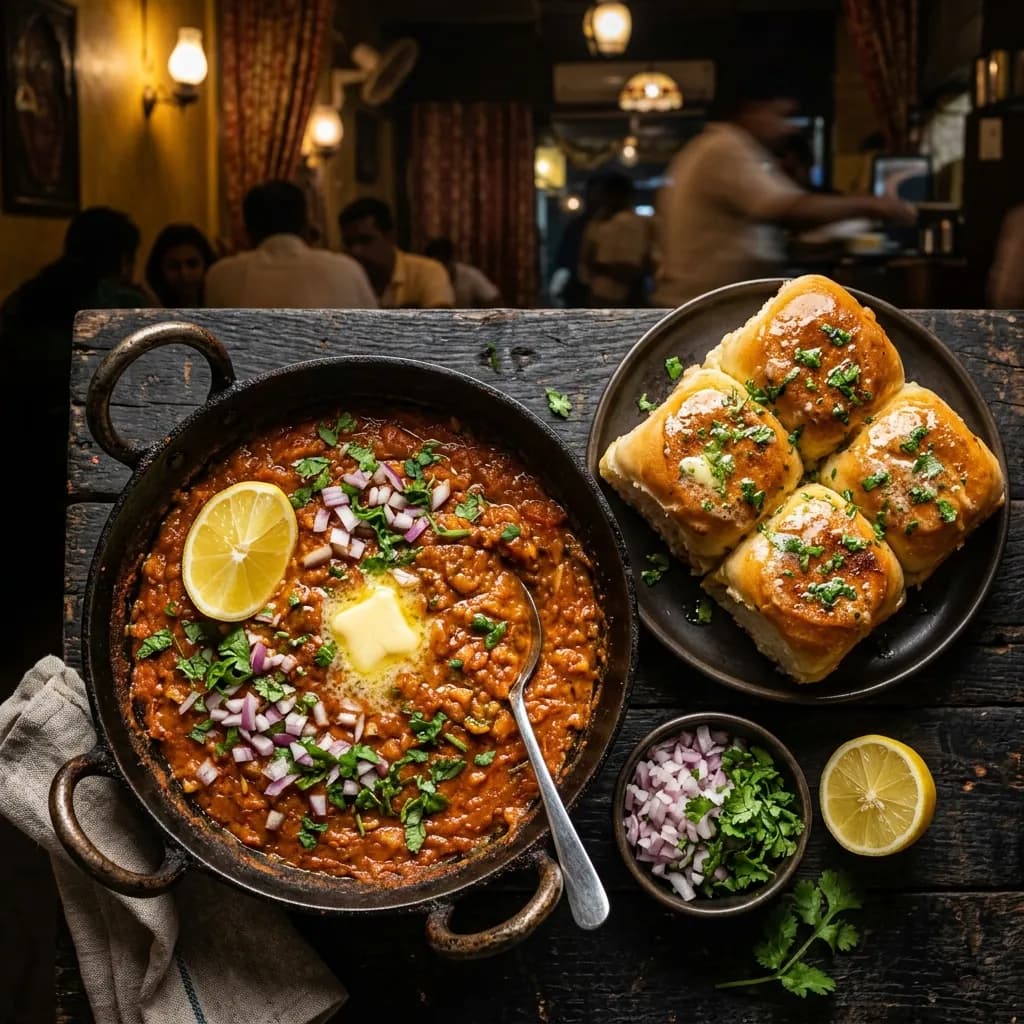
Pav bhaji is a Mumbai street dish made of a thick mash of mixed vegetables - typically potato, tomato, peas, capsicum and onion - cooked down with a distinctive blend called pav bhaji masala and finished with a generous amount of butter, served alongside soft white bread rolls (pav) toasted on a griddle. It is eaten by tearing the buttery pav and scooping up the spiced bhaji.
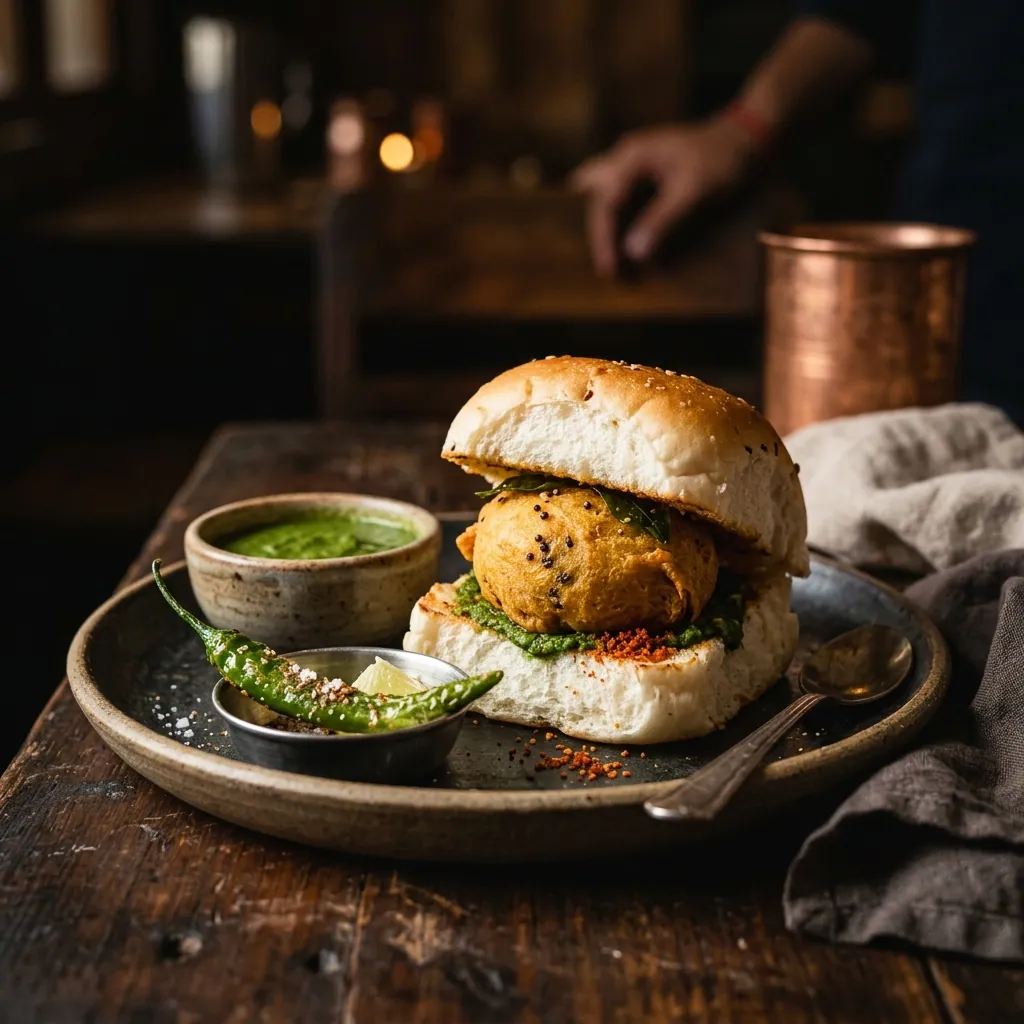
Like vada pav, it was born from Mumbai's mills. Textile workers needed a quick, hearty, affordable meal during short breaks, and vendors responded with a fast, all-in-one plate that could be cooked in volume on a giant flat griddle, or tawa. That theatrical tawa cooking is still part of the experience today.
Why Pav Bhaji Matters
Pav bhaji is Mumbai comfort food at its purest. It is endlessly adaptable, deeply satisfying, and entirely vegetarian, which makes it one of the most universally loved dishes in India. It is the food of late nights at Chowpatty Beach, of family treats, of festivals and celebrations.
It also showcases something important about Indian cuisine that gets lost in the standard UK curry-house menu: the sheer regional variety. Pav bhaji belongs to Mumbai, not to the generic north-Indian template most restaurants serve. Putting it on our menu in Headingley is part of how we represent the real diversity of Indian food in Leeds.
How Pav Bhaji Works
The Bhaji
The bhaji is the soul of the dish. Vegetables are boiled, then mashed directly on the tawa while they cook with onions, tomatoes, ginger-garlic and pav bhaji masala. The cooking continues until the mixture is thick, glossy and uniform, with the vegetables broken down almost completely. A knob of butter is melted through at the end, and more is added on top.
Pav Bhaji Masala
The defining flavour comes from pav bhaji masala, a specific spice blend that includes coriander, cumin, red chilli, black pepper, amchur (dried mango powder), fennel and black salt, among others. This blend is what makes pav bhaji taste like pav bhaji and nothing else. The amchur gives it a subtle tang that balances the richness of the butter.
The Pav
The same soft pav used in vada pav is split, buttered and toasted on the griddle until golden at the edges, often picking up a little of the bhaji's colour and spice in the process. It is served hot, with raw chopped onion, a wedge of lemon and a final scattering of coriander.
Pav Bhaji vs Other Mumbai Favourites
| Dish | What it is | How it is eaten | Best for |
|---|
| Pav Bhaji | Buttery mashed-vegetable curry with bread | Scoop bhaji with torn pav | Sharing, hearty meals |
| Vada Pav | Fried potato fritter in a roll | Eaten like a burger | Quick snack on the go |
| Misal Pav | Spicy sprouted-bean curry with bread | Topped with farsan, eaten with pav | Bold, fiery flavour seekers |
How to Make Pav Bhaji at Home
Boil and roughly mash 3 potatoes, a cup of peas, half a chopped cauliflower and a chopped carrot. In butter, fry a finely chopped onion until soft, add a tablespoon of ginger-garlic paste, then two large chopped tomatoes and a chopped capsicum. Cook until the tomatoes collapse.
Add 2 tablespoons of pav bhaji masala, half a teaspoon of turmeric and red chilli to taste. Tip in the boiled vegetables, then mash everything together in the pan, adding a little hot water to reach a thick, scoopable consistency. Simmer for 10 minutes, stir through a final knob of butter, and finish with lemon and coriander. Toast the buttered pav and serve hot.
Common Mistakes to Avoid
- Under-cooking the bhaji. The vegetables should break down completely. A chunky, watery bhaji has not been cooked long enough.
- Skimping on butter. Pav bhaji is meant to be rich. Butter carries the spices and gives the dish its signature gloss and aroma.
- Using garam masala instead of pav bhaji masala. They are not interchangeable. The specific blend, with its amchur tang, is essential.
- Forgetting the raw onion and lemon. The fresh, sharp garnish cuts the richness and is part of the authentic experience.
Frequently Asked Questions
Is pav bhaji vegetarian?
Yes. Pav bhaji is a vegetarian dish made from mashed mixed vegetables, butter and spices, served with bread rolls. It contains no meat. It can be made vegan by replacing the butter with a plant-based alternative, though butter is traditional.
What does pav bhaji taste like?
Pav bhaji is rich, buttery and savoury with a gentle tang and warming spice. The mashed vegetables turn smooth and comforting, the pav bhaji masala adds depth, and the fresh onion and lemon on top bring brightness to every bite.
Is pav bhaji spicy?
Pav bhaji is mild to medium in heat. Its flavour comes more from the aromatic pav bhaji masala and butter than from chilli, so it suits most palates. The heat can easily be increased with extra red chilli if you prefer it hotter.
What vegetables go in pav bhaji?
Classic pav bhaji uses potato, tomato, onion, green peas and capsicum, often with cauliflower and carrot too. The vegetables are boiled and mashed together so no single one dominates, creating the smooth, unified texture the dish is known for.
Where can I eat pav bhaji in Leeds?
Bombay 2 Goa serves authentic Mumbai-style pav bhaji in Headingley, Leeds, as part of our Bombay street food menu. We cook the bhaji fresh with proper pav bhaji masala and toasted, buttered pav, just as it is served on the streets of Mumbai.
Bring Mumbai to Your Table in Leeds
Pav bhaji is one of the most generous, shareable dishes in Indian cooking - perfect for a group. Find it among our Bombay street food dishes. See the full menu, grab a takeaway, or book a table at our Indian restaurant in Leeds and taste it the way it is meant to be.