5 Sep 2025 · 7 min read
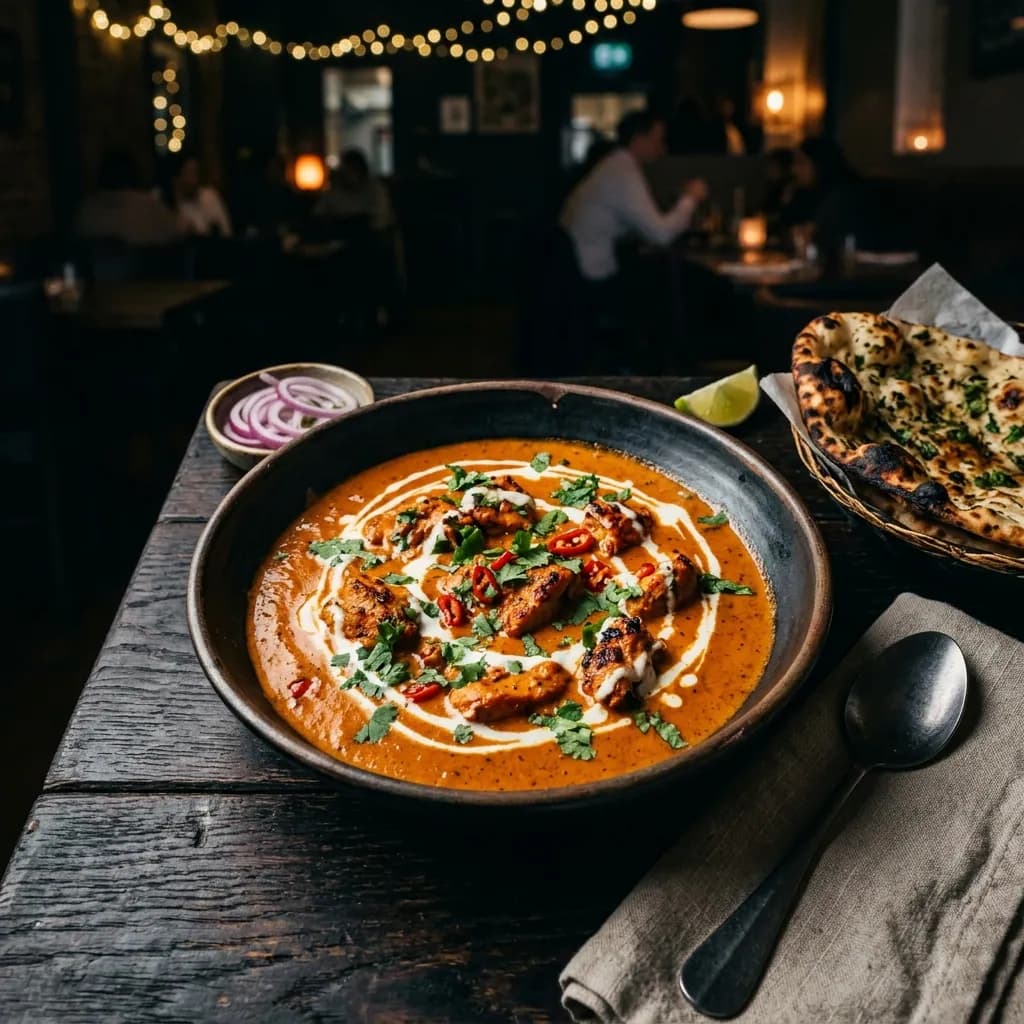
The Perfect Butter Chicken Recipe
Our chef shares the secret behind Bombay 2 Goa's signature butter chicken - rich, creamy, unforgettable.
Read More about The Perfect Butter Chicken Recipe →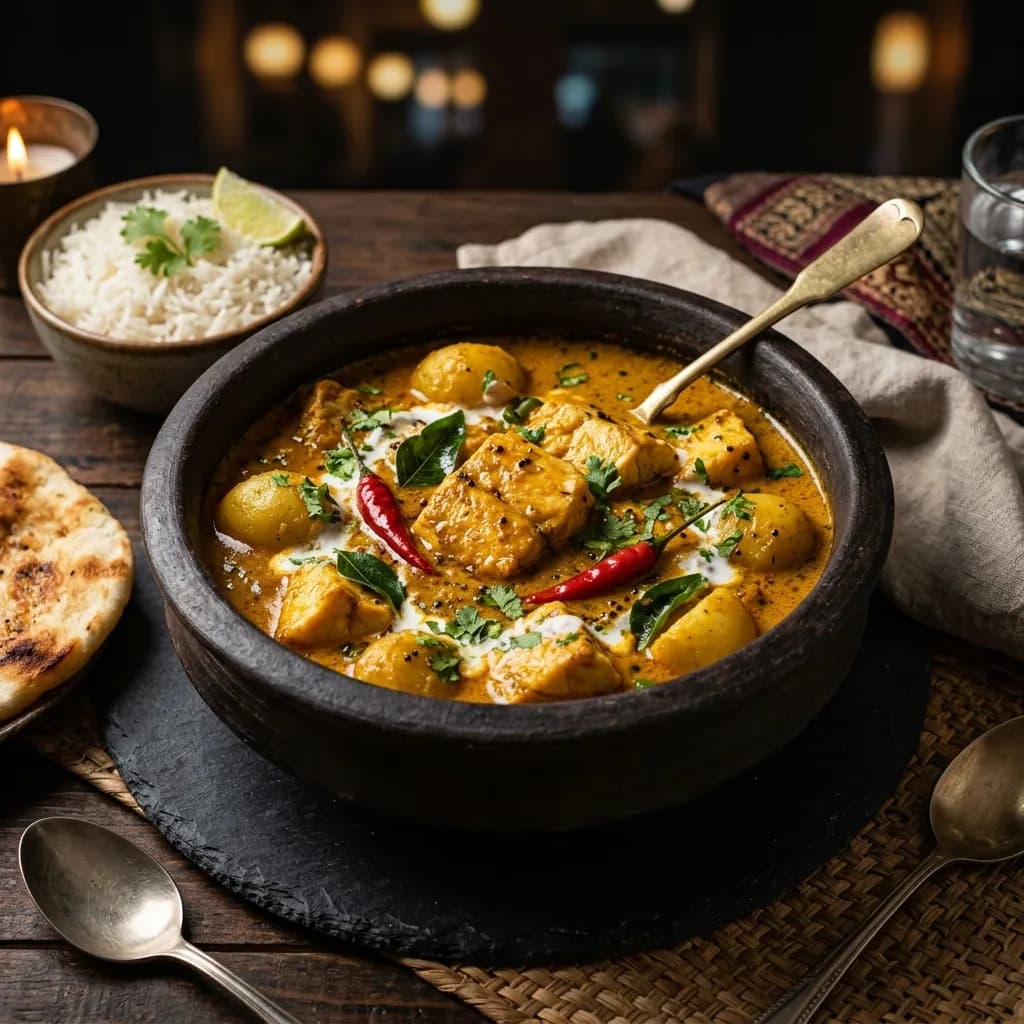
Goa's coastline has always been synonymous with seafood, and nothing captures the spirit of that sun-drenched shore quite like a proper Goan prawn curry. At Bombay 2 Goa we cook ours the way it has been made for generations, with freshly ground coconut, Kashmiri chillies for that distinctive deep-red colour, and a generous hand with tamarind for the essential sour note.
Goan food is unlike any other regional Indian cuisine. Shaped by centuries of Portuguese influence alongside the indigenous Konkani food traditions, it blends spices from the Indian subcontinent with a distinctly coastal character. Coconut grows everywhere along the Goan coastline, and it finds its way into almost every dish, as milk, as grated flesh, and as pressed oil. The cuisine also carries a tartness that sets it apart. Kokum, tamarind, and raw mango all show up regularly, cutting through the richness of coconut and lending the gravies a bright, lively finish.
Prawns are arguably the jewel of Goan seafood cooking. The Arabian Sea off Goa's coast is rich with tiger prawns, and local cooks have perfected dozens of ways to prepare them. The most iconic is the simple, vivid curry built on a coconut and red chilli base, known locally as sungta kadi. This is the dish that inspired our restaurant recipe.
When people taste our Goan prawn curry for the first time, the colour always catches their eye. The gravy is a deep, burnished red, vibrant and inviting, yet the heat level is measured and comfortable. That colour comes entirely from Kashmiri chillies, which are large, mildly hot, and extraordinarily pigmented. They give dishes a stunning visual richness without the aggressive burn of hotter varieties. At Bombay 2 Goa, we use whole dried Kashmiri chillies, soaking them briefly before grinding them fresh each day. Using pre-made chilli powder simply cannot replicate that depth of flavour and colour.
Wherever possible, we use freshly grated coconut rather than desiccated or tinned alternatives. Fresh coconut has a natural sweetness and a creamy fat content that transforms the texture of the curry base. We blend the grated coconut with the soaked chillies, coriander seeds, cumin, and a few cloves of garlic into a smooth paste. This paste is the heart of the dish. Everything else is built around it.
If you are making this at home and fresh coconut is not available, frozen grated coconut is the next best option. It retains much of the moisture and flavour of fresh. Desiccated coconut can work in a pinch, but soak it in warm water for at least twenty minutes and drain well before using.
The quality of your prawns makes an enormous difference to the final dish. We recommend using raw, shell-off tiger prawns or king prawns, ideally fresh from a good fishmonger. Frozen prawns work well too, provided they are thawed slowly in the refrigerator overnight rather than in warm water, which can make them rubbery. Look for prawns that are firm, with a clean oceanic smell. Avoid any that smell strongly of ammonia.
Devein the prawns carefully before cooking. The dark digestive tract running along the back of the prawn can introduce a bitter note to the finished curry if left in. Use a small sharp knife to make a shallow cut along the outer curve and pull the vein out cleanly.
Start by making your masala paste. Soak 4 to 6 dried Kashmiri chillies in warm water for 15 minutes. Drain and place them in a blender along with half a fresh coconut (grated), 1 teaspoon coriander seeds, half a teaspoon cumin, 4 cloves garlic, a small knob of fresh ginger, and a splash of water. Blend to a smooth, vibrant red paste.
Heat two tablespoons of coconut oil in a heavy-bottomed pan over medium heat. Add one sliced onion and cook until golden, around 8 to 10 minutes. Add the coconut masala paste and fry it with the onions for 5 to 7 minutes, stirring frequently, until the raw smell of coconut cooks out and the paste deepens in colour.
Add a cup of coconut milk, a tablespoon of tamarind paste, and salt to taste. Stir well and simmer for 5 minutes. Taste the gravy at this point. It should be richly coconut-forward with a gentle sourness from the tamarind. Adjust the seasoning as needed.
Add your prawns directly into the simmering gravy. Prawns cook quickly, typically 3 to 4 minutes for medium-sized ones. The moment they turn opaque and curl into a tight C-shape, they are done. Overcooking prawns makes them tough and rubbery, so watch them carefully.
Serve the curry hot with steamed rice or fresh pav. A wedge of lime on the side is traditional and welcome. Scatter a few torn fresh coriander leaves over the top just before serving.
At Bombay 2 Goa, our Goan Fish Curry is one of the most popular dishes on the menu, and we often recommend pairing it with a cooling Sol Kadhi, a traditional Goan digestif made from kokum and coconut milk. If you are recreating this at home, a light, fragrant basmati rice is the ideal partner. The grain-by-grain texture of well-cooked basmati soaks up the coconut gravy beautifully without turning to mush.
Want to taste it without the effort? Our Goan Fish Curry is on the menu every evening alongside our slow-cooked Chicken Xacuti. Book a table and let us cook it for you.
This dish is a genuine taste of the Goan coast. Every time a plate leaves our kitchen, we hope it carries a little of that warmth and colour with it. Whether you visit us in Headingley or recreate it at home, authentic Goan cooking is one of the great pleasures of Indian cuisine, and this prawn curry is the perfect place to start.
5 Sep 2025 · 7 min read
Our chef shares the secret behind Bombay 2 Goa's signature butter chicken - rich, creamy, unforgettable.
Read More about The Perfect Butter Chicken Recipe →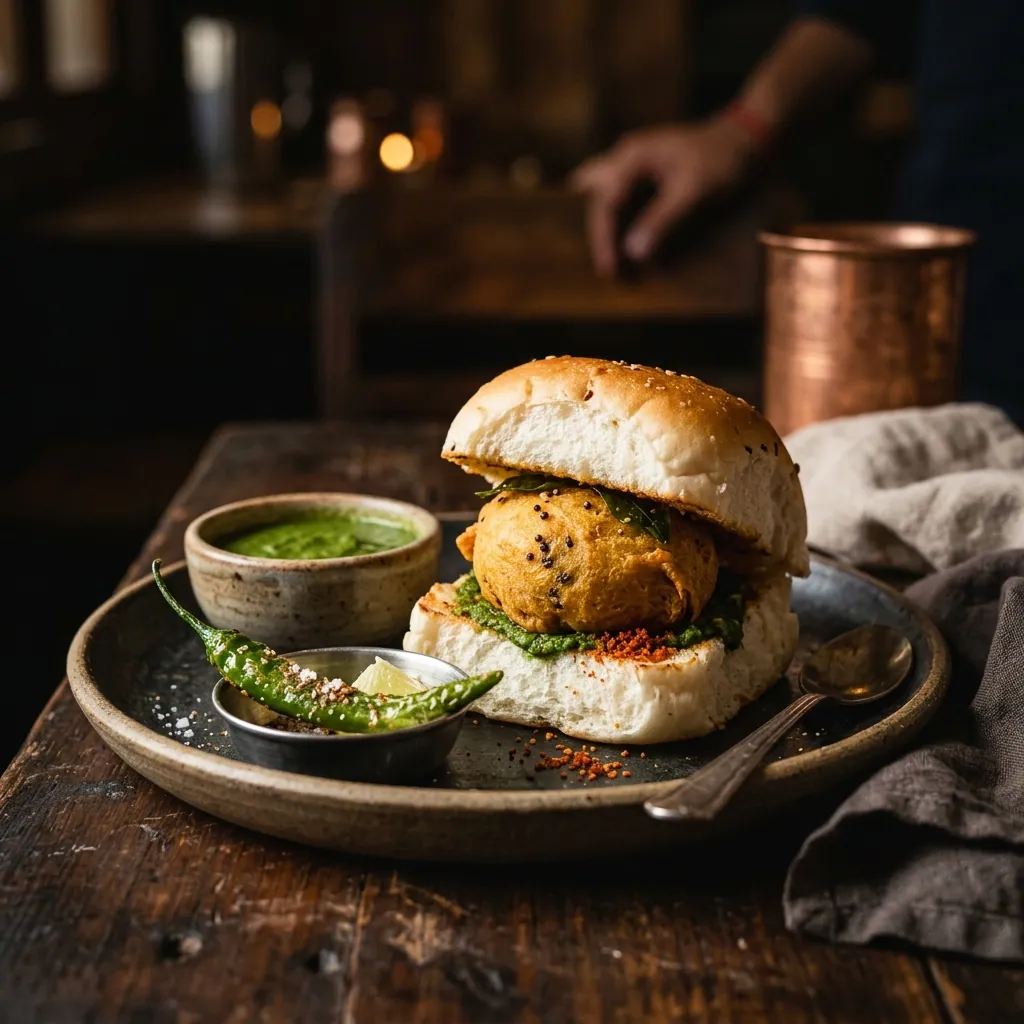
15 Aug 2025 · 5 min read
How the vibrant street food scene of Mumbai inspired our menu and brought authentic flavours to Yorkshire.
Read More about Street Food Culture: Bombay to Leeds →
18 Jan 2026 · 7 min read
Goan food is unlike anything else on an Indian menu. Shaped by four centuries of Portuguese rule and a coconut-rich coastline, here is what makes it so distinctive.
Read More about What is Goan Food? A Guide to India's Coastal Cuisine →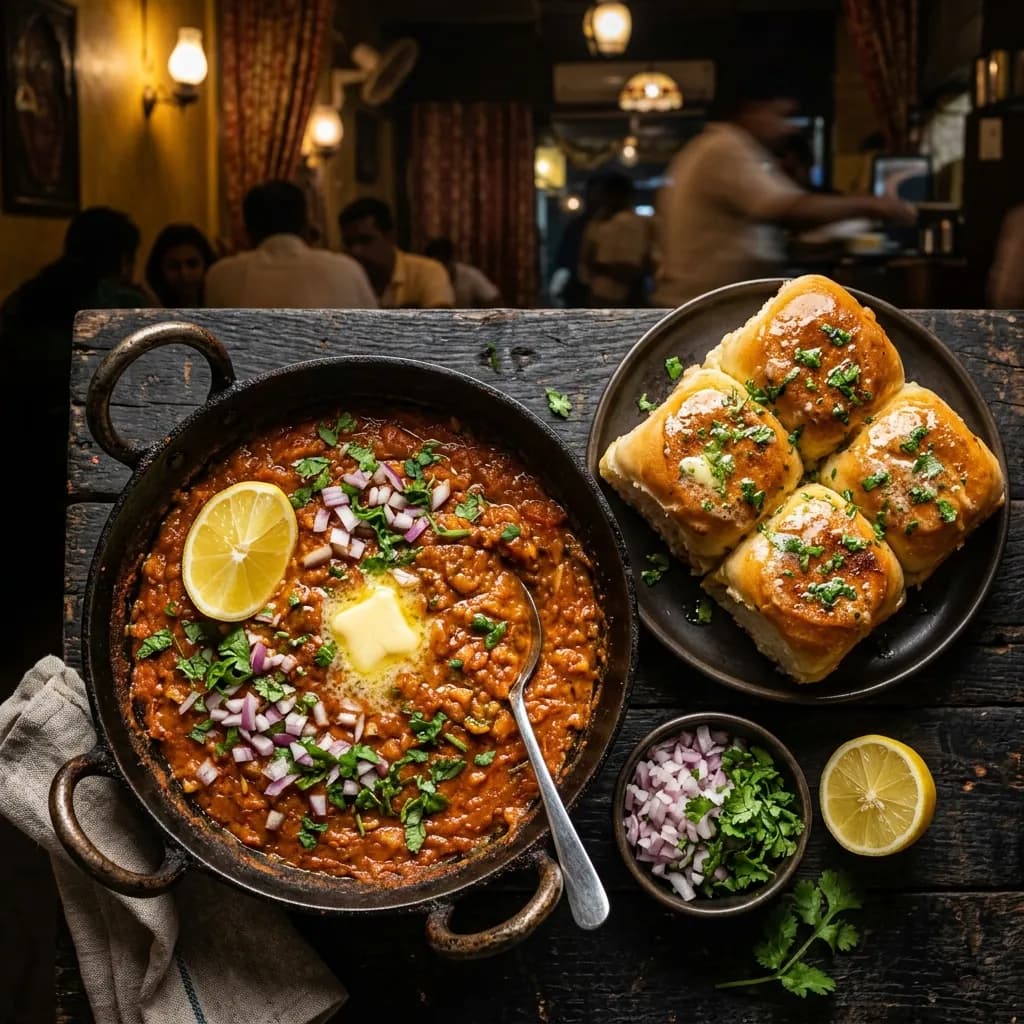
12 Apr 2026 · 5 min read
Leeds has a growing appetite for authentic Indian street food. Here is what it is, where it comes from, and what to order at Bombay 2 Goa in Headingley.
Read More about The Best Indian Street Food in Leeds: A Guide to Bombay Classics →
28 May 2026 · 4 min read
Bombay 2 Goa is a 15-minute walk from Headingley Stadium - the closest Indian restaurant worth visiting for post-match food and drinks in Leeds.
Read More about The Best Restaurant Near Headingley Stadium for Post-Match Food & Drinks →
8 Jun 2026 · 6 min read
Looking for a date-night restaurant in Leeds? Bombay 2 Goa in Headingley pairs candlelit, intimate dining with bold Bombay and Goan cooking and a proper cocktail bar.
Read More about Date Night in Leeds: Why Headingley Is the City's Most Underrated Romantic Dinner →2 Jun 2026 · 7 min read
What is vada pav, why Mumbai is obsessed with it, and how to make the batata vada at home. The original Indian street burger, served fresh in Headingley.
Read More about Vada Pav: Mumbai's Iconic Street Burger, Now in Leeds →9 Jun 2026 · 7 min read
What pav bhaji is, why Mumbai loves it, and how the buttery mashed-vegetable curry is made. A complete guide from Bombay 2 Goa in Headingley, Leeds.
Read More about Pav Bhaji: The Ultimate Mumbai Street Food, Explained →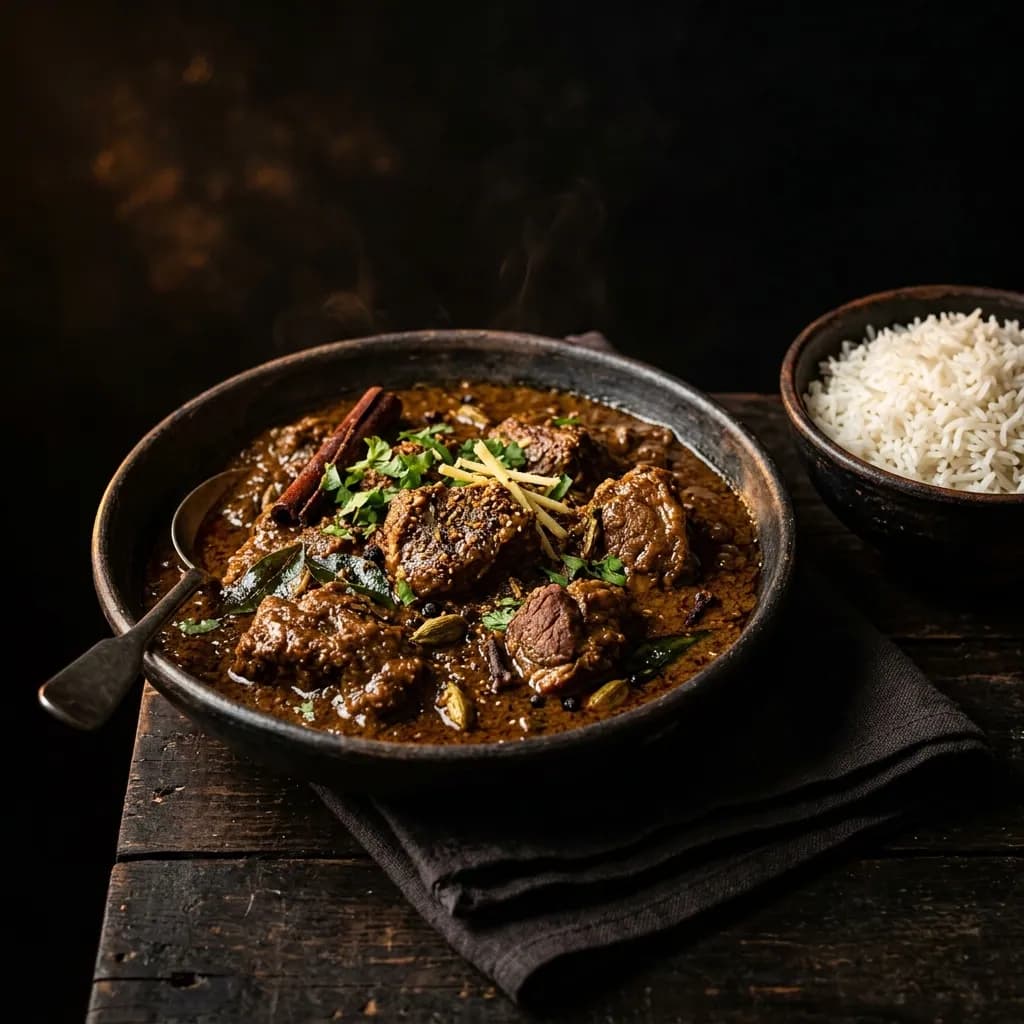
16 Jun 2026 · 8 min read
What chicken xacuti is, where it comes from, and what makes its roasted-spice and coconut gravy so special. A guide to Goa's signature curry from Bombay 2 Goa.
Read More about Chicken Xacuti: Goa's Most Complex Curry, Explained →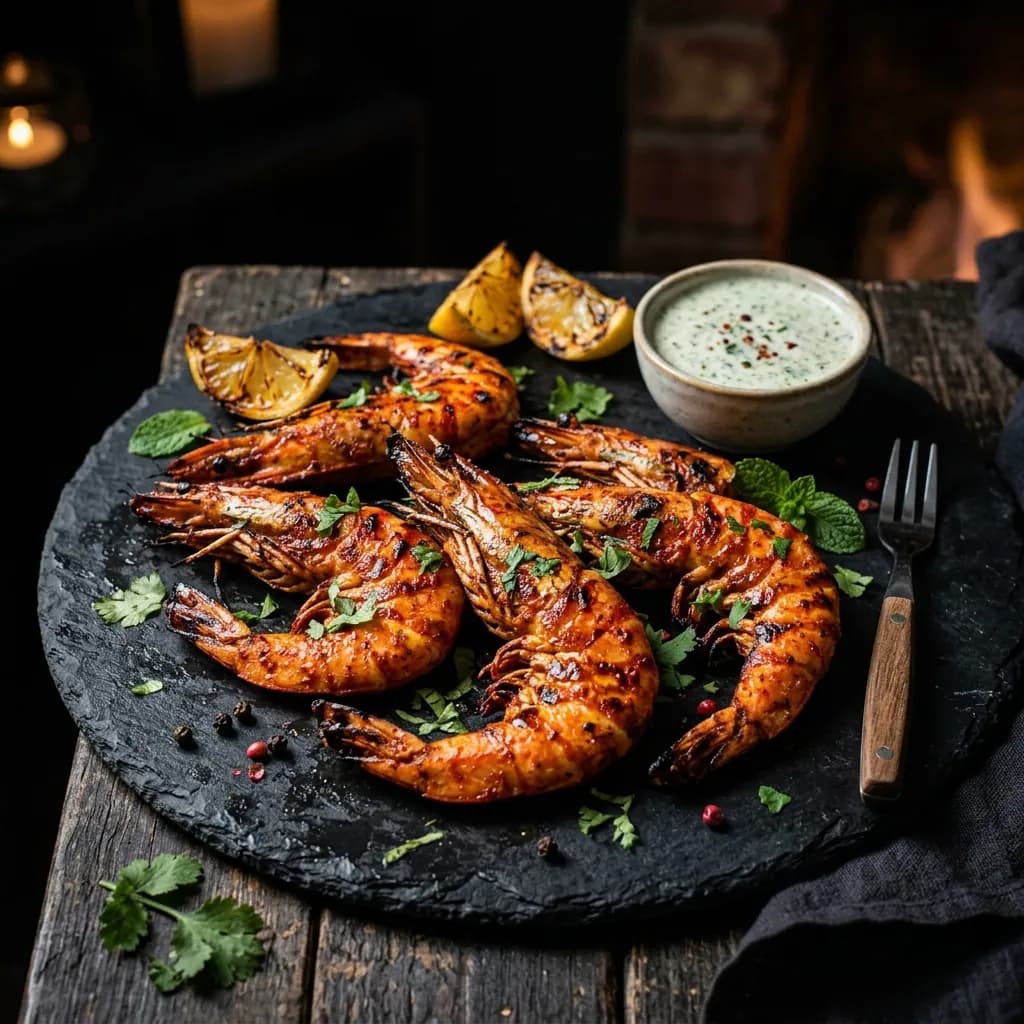
22 Jun 2026 · 6 min read
What tandoori prawns are, how the tandoor gives them their smoky char, and why our Goan-spiced king prawns are a bestseller. A guide from Bombay 2 Goa, Headingley.
Read More about Tandoori Prawns: Goa Meets the Flame →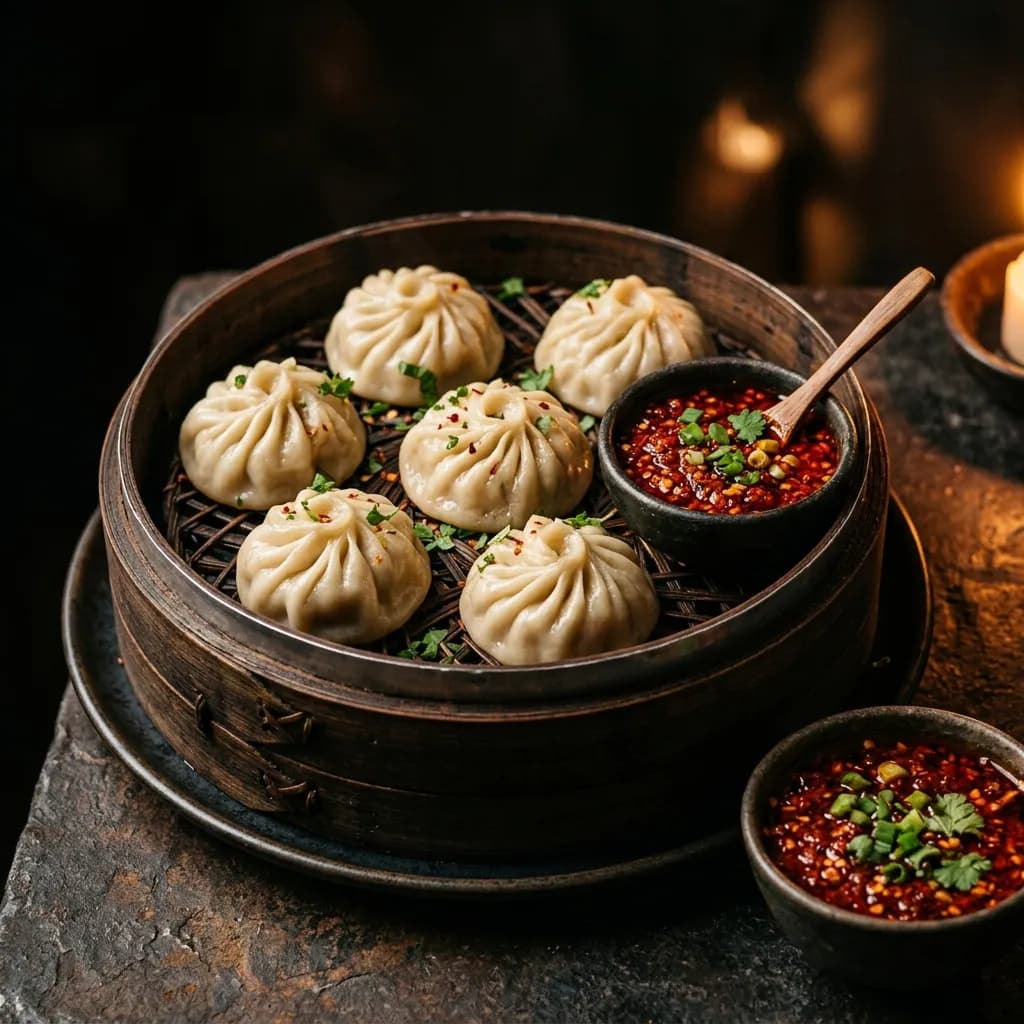
10 Jul 2026 · 5 min read
What is a momo? Discover handmade veg and chicken momos in Leeds - steamed or fried with a spicy dipping sauce - at Bombay 2 Goa in Headingley.
Read More about Momos in Leeds: Steamed & Fried Dumplings at Bombay 2 Goa →